

Pathways into place-based work

This map shows different ways people contribute to place-based work – individually and collectively. It helps you orient yourself in the work, based on where you are right now. You can start anywhere. Follow what feels familiar, or explore other ways of getting involved. Click a pathway or practice point to explore further.

Don’t know where to start? Visit the landing pages for Collective pathways and Individual pathways to get a sense for the different parts of the map.

Pathways Map - Key

This map shows different ways people contribute to place-based work - individually and collectively - and where those forms of work connect.

Colours

Green - Individual pathways

Red - Collective pathways

Pathways

Each colour contains three pathways.

Pathways represent different ways of contributing, not stages or levels.

Practice points

Each circle represents a practice within a pathway.

Select a highlighted practice point to explore reflections, activities and resources.

You can visit practices in any order and return to them at any time.

Overlaps

The blue highlighted areas show where individual and collective pathways connect.

These highlight shared practices that influence both personal contribution and the wider conditions for place-based work.

Overlaps are shared ground, not additional steps.

How to use the map

There is no start or end.

Begin wherever feels most relevant to you.

Explore one pathway or move between several.

The map is designed for exploration rather than a fixed sequence.

Opening the door

Explore this pathway if you are shaping who can take part in place-based work – noticing who is included or excluded, and working to create fairer ways for people to contribute. 

People often step into this space after noticing barriers affecting their community or peers. They move between contributing locally and adjusting the systems around that work. 

Entry into place-based work is shaped by legitimacy, recognition and the conditions that allow different forms of knowledge to be welcomed. Workforce systems tend to recognise formal qualifications more easily than lived or cultural expertise, creating barriers long before people feel part of the work. 

This pathway focuses on how access, relationships, recognition and culture shape who can participate in place-based work. 

The reflections below help you consider how trust, recognition and legitimacy influence who is able to take part and contribute. 

What supports this pathway

One-page overview

Download a one-page overview of this pathway to help you get oriented and consider a next step. 

Download
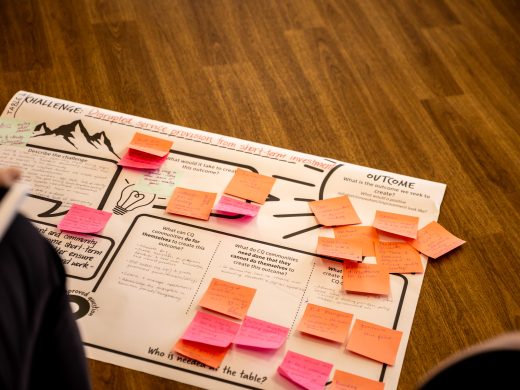
A brainstorming worksheet with handwritten notes and several pink and orange sticky notes is spread out on a wooden floor, surrounded by people whose legs are partially visible.

Co-design

Pathways widen when roles, opportunities and processes are shaped with community knowledge and shared decision-making, ensuring participation reflects local priorities. 

Explore this further
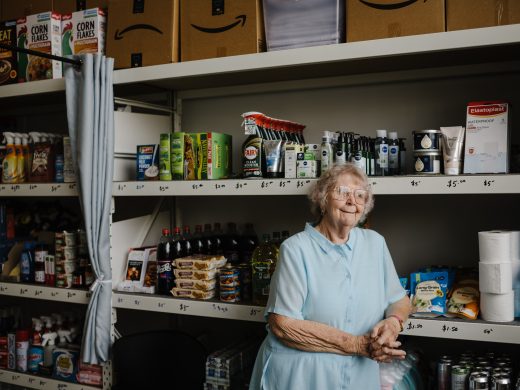
An elderly woman in a light blue dress stands in front of stocked shelves in a small shop, surrounded by food, cleaning products, and bottled drinks. Large cardboard boxes with Amazon logos are stacked above the shelves.

Equitable contribution and influence

Participation strengthens when people bring their knowledge, relationships and experience and have a genuine say in decisions, supporting fair access and shared ownership.

Explore this further

The PLACE website is not compatible with Internet Explorer. Please use a modern browser such as Chrome, Firefox, Edge, or Safari for the best experience.