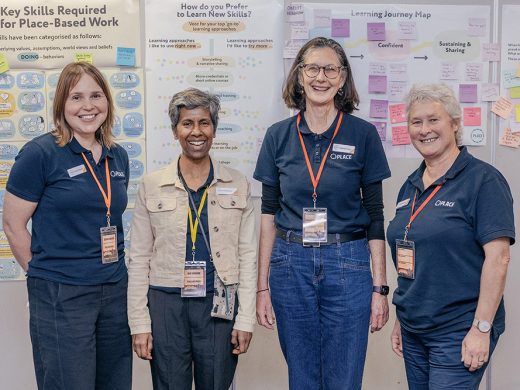
Enable
Building and implementing a national workforce strategy that supports the people driving local change.
Read More about Enable

Place-based change refers to coordinated efforts to improve outcomes by aligning investment, decision-making and service delivery to the specific needs, strengths and aspirations of communities defined by geography.
It starts from a simple premise: that while disadvantage is shaped by structural forces, it is experienced locally and therefore requires responses that are rooted in place.
Through our engagement with communities across Australia we have heard a definition of this work informed by three principles: subsidiarity, accountability and partnership.
Subsidiarity: Decisions should be made at the most local level possible, where people have the greatest knowledge of context and the strongest stake in the outcomes. In place-based work, this means shifting authority closer to community. This gives local leaders, organisations and residents the power to shape the services and systems that affect them.
Accountability: Communities must be able to hold systems and services responsible. This requires more than consultation. It means building governance structures that embed community voice in decision-making, ensure transparency in how resources are used and create shared responsibility for outcomes.
Partnerships: Complex challenges can’t be solved by one actor alone. Place-based change brings together governments, service providers, funders, and communities to work collaboratively, across siloes, sectors, and timeframes. To be effective, these partnerships must be grounded in trust, reciprocity and shared purpose.
Place-based approaches don’t seek to replace universal services. They seek to make them more equitable, more effective and more responsive. They recognise that a one-size-fits-all model, no matter how well-intentioned, will always fall short in a country as diverse and unequal as Australia.
Place-based change is about governance, not geography. It’s about agency and equity: who makes the calls, whose voices are heard and whether systems are designed with real lives in mind.
Building and implementing a national workforce strategy that supports the people driving local change.
Read More about Enable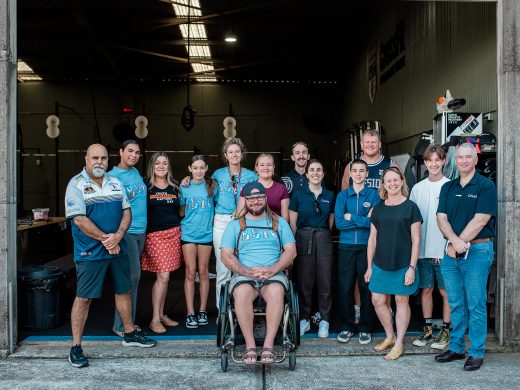
Working with communities, governments, providers, commissioners and funders to identify opportunities and reshape funding, engagement and shared decision-making approaches.
Read More about Collaborative Solutions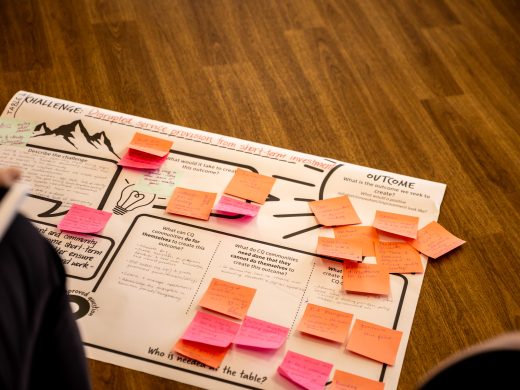
Supporting place-based initiatives to access, generate & use data that informs, offers insights, supports improvement & demonstrates impact.
Read More about Strengthen Data & Impact
Connecting communities, policymakers and researchers to share learning, generate insights and turn evidence into action.
Read More about Learn and Share